
3 Key Strategies That May Help Improve Lung Cancer Survival and the Latest Trends in Immunotherapy
Hello, this is ApuDa. As spring settles in, bringing milder air and longer days, many individuals continue their journey toward recovery with quiet strength. Today, we will walk through meaningful, evidence-based strategies that may help improve outcomes in lung cancer, along with the latest advancements in treatment.

The Shift Toward Precision Medicine in Lung Cancer
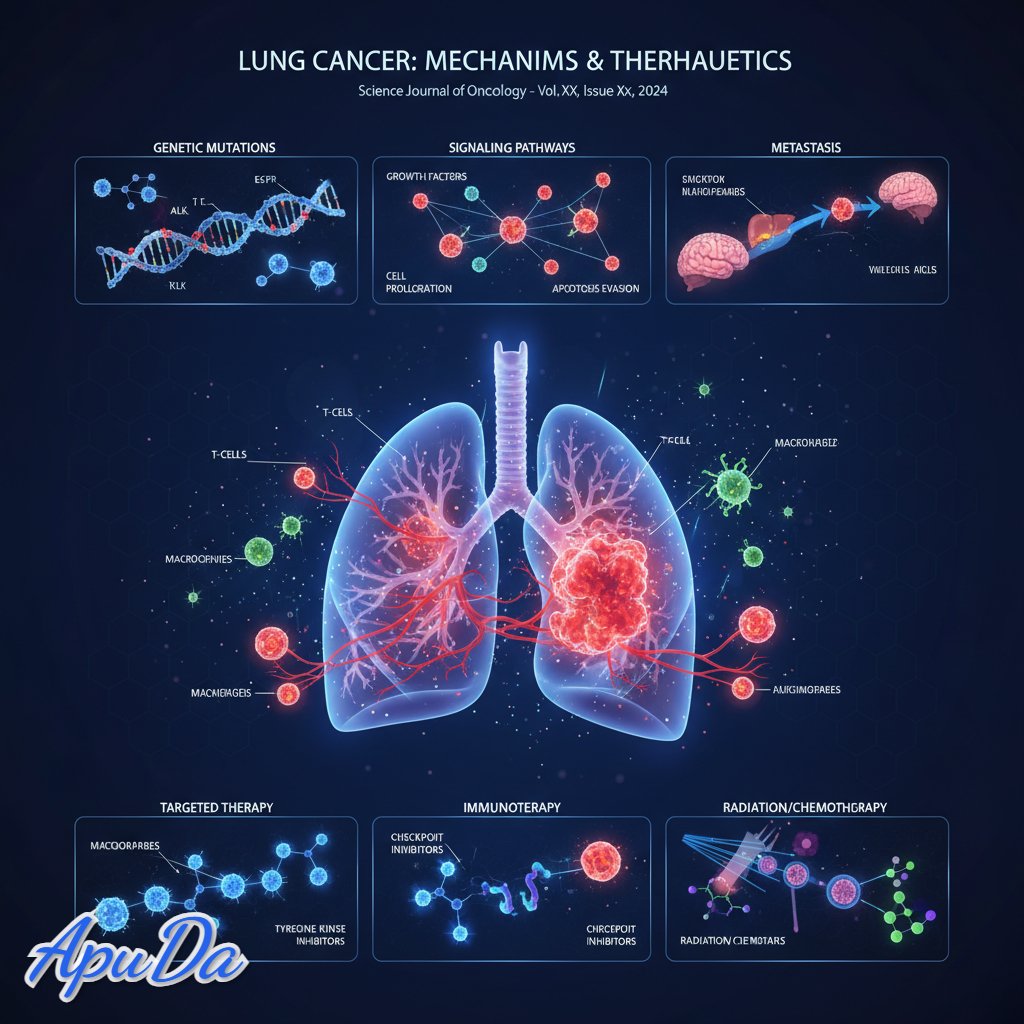
Lung cancer treatment has undergone a major transformation in recent years. What was once dominated by traditional chemotherapy is now increasingly guided by precision medicine—an approach that tailors treatment based on the genetic profile of an individual’s tumor.
Specific genetic mutations such as EGFR, ALK, and ROS1 can now be identified through advanced testing. This allows the medical team to select targeted therapies that act directly on cancer cells while minimizing damage to healthy tissue.
Targeted Therapy Advances
- Third-generation targeted therapies such as osimertinib may help reduce recurrence risk after surgery
- These therapies are designed to block specific pathways cancer cells use to grow
- Clinical studies suggest improved overall survival rates in selected patients
This progress is gradually changing lung cancer into a condition that may be managed more like a chronic disease.
Immunotherapy: Activating the Body’s Defense System
Immunotherapy (treatment that activates the immune system) works by helping the body recognize and attack cancer cells. Unlike chemotherapy, which directly kills rapidly dividing cells, immunotherapy removes the “shield” that cancer cells use to hide from immune responses.
- Often used in combination with chemotherapy or other immunotherapy drugs
- May offer longer-lasting responses in some advanced-stage patients
- Generally associated with different and sometimes fewer side effects
However, responses vary widely, making individualized treatment planning essential.
Daily Lifestyle Strategies That Matter
Medical treatment is only one part of the journey. Daily habits play a critical role in supporting recovery and maintaining strength.

1. Protein Intake to Prevent Muscle Loss
Cancer-related cachexia (a condition involving weight and muscle loss) is common in lung cancer. Maintaining muscle mass supports immune function and physical resilience.
- Aim for 1.2–1.5g of protein per kg of body weight daily
- Include foods like eggs, yogurt, tofu, and lean fish such as salmon
- Distribute protein intake evenly across meals
2. Breathing and Light Exercise
Maintaining lung capacity is essential for daily comfort and activity.
- Practice diaphragmatic breathing
- Engage in gentle walking or light aerobic activity
- Adjust intensity based on energy levels
3. Symptom Monitoring
Early detection of changes can significantly impact outcomes.
- Watch for persistent cough changes
- Be alert to coughing up blood, chest discomfort, or unexplained weight loss
- Report symptoms promptly to the medical team
Nutrition That Supports Recovery
Certain nutrients may help support the body during treatment.
Selenium
- May help reduce oxidative stress
- Found in Brazil nuts (1–2 per day), eggs, and garlic
Omega-3 Fatty Acids
- May help reduce inflammation and improve appetite
- Sources include salmon, olive oil, and seeds
Practical Meal Planning Tips
Many individuals experience reduced appetite or difficulty swallowing. Adjusting food texture and preparation methods can make eating easier.
- Choose soft, easy-to-digest foods like tofu, eggs, and white fish
- Prefer steaming or boiling over frying or grilling
- Allow food to cool to a warm temperature before eating
- Stay hydrated, but avoid drinking large amounts right before meals
Example daily plan:
- Breakfast: soft vegetable porridge with shredded chicken and a small portion of fruit
- Lunch: steamed white fish, broccoli with olive oil, and whole grains
- Snack: yogurt with crushed nuts
- Dinner: tofu stew with vegetables and seaweed soup
About ApuDa
The word “아프다 (ApuDa)” means “to be in pain” in Korean. But it also reflects a deeper belief—that even in moments of illness, there can still be reassurance, understanding, and connection.
ApuDa was created to support individuals navigating complex health journeys. It provides clear medical insights, practical daily guidance, and emotional support—all in one place.
If you are looking for reliable, compassionate health information, you can explore more at
ApuDa - 아프지만 다행이다
A health information platform: ApuDa - 아프지만 다행이다. 암 정보, 식단, 일반 질환 상담, 영양 정보를 제공합니다.
apuda.app
Medical note: This content is based on current medical insights as of April 2026. Individual treatment decisions should always be made in consultation with a qualified medical team.
#lungcancer #immunotherapy #targetedtherapy #cancernutrition #apuda